

Hypermobility, hEDS and HSD Physical Therapy in New York

New York asks a lot of your joints. We build the strength to carry it.

Hypermobility Physical Therapy in Midtown Manhattan

Our clinic is in Midtown East, a block and a half from Grand Central, close to Murray Hill and Turtle Bay. Patients come from across Manhattan and by Metro-North from Westchester and Connecticut. New Yorkers walk, climb and carry more than most, and for loose joints that adds up fast.

What Is Hypermobility Physical Therapy?

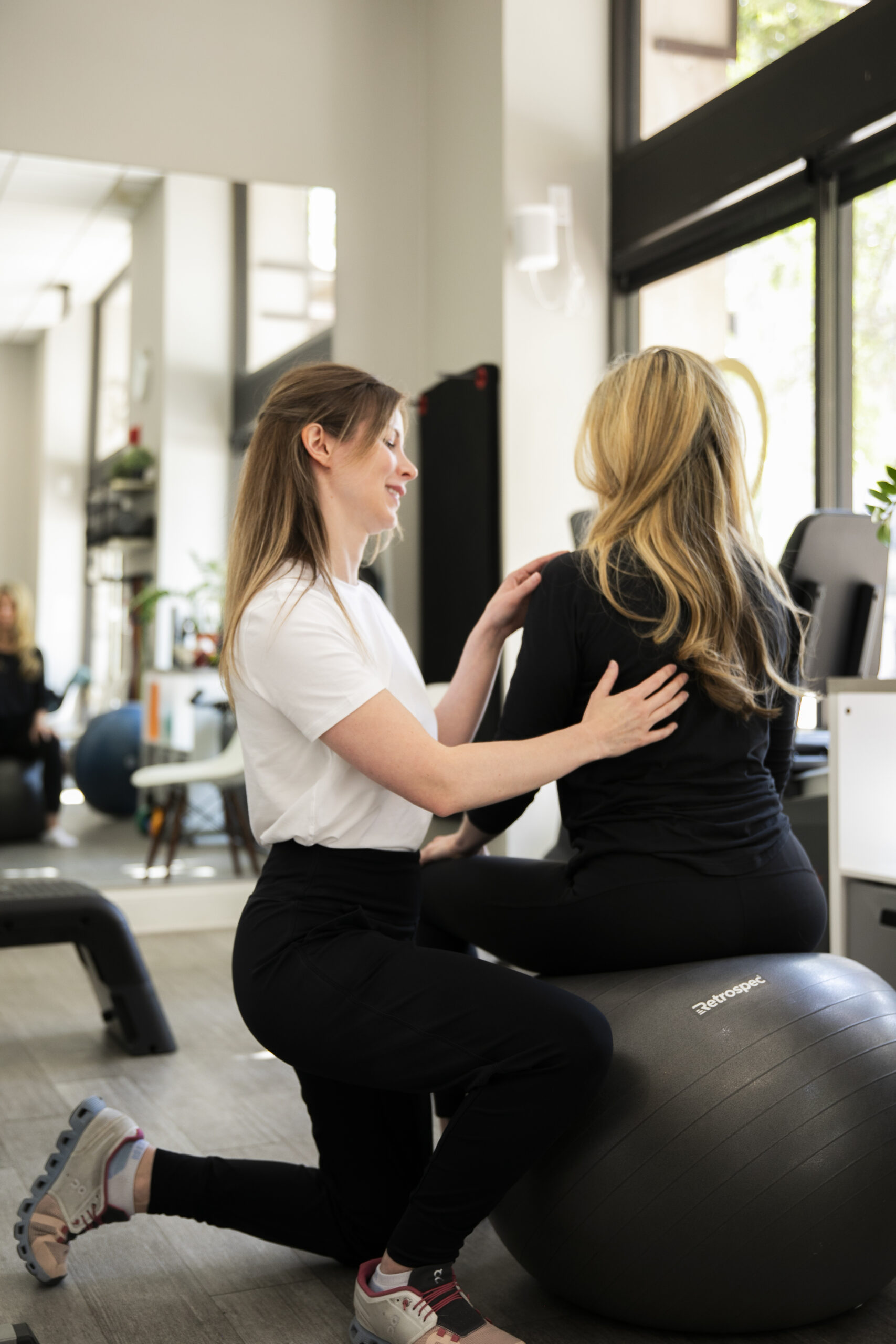
Hypermobility physical therapy trains your muscles to steady joints that move too far. For hEDS and HSD, that means building strength, control and balance for the daily demands that wear loose joints down.

A walking city is hard on loose joints.

Thousands of steps on concrete, subway stairs, curbs, crowds and a bag on one shoulder. For most people that’s just a day in New York. With hEDS or HSD, every one of those steps asks your ankles, knees and hips to stay in line without much help from your ligaments. When muscles tire, joints drift, and that’s when ankles roll and knees start to ache.

We build endurance in the muscles that keep your feet, knees and hips aligned, train balance for uneven ground, and look at how you carry things and what’s on your feet. Walking isn’t the problem. Walking without enough control is.

Browse Your Specific Symptoms

In New York, symptoms often show up on the move: an ankle that rolls on a curb, knees that ache by evening, a shoulder sore from your bag. Find what matches your days below.

Joints that slip out (subluxations) or dislocate
Clicking, popping or giving way
Frequent sprains and ankle rolls
Joint pain with no clear injury
Feeling unsteady on stairs or uneven ground
Tight, guarding muscles
Widespread or shifting pain
Muscles that tire quickly
Slow recovery after activity
Pain that flares after stretching
Bumping into things or dropping things
Poor balance
Trouble sensing where a joint is
Falls or near-falls
Neck pain and headaches
Jaw pain or clicking (TMJ)
Back pain
Rib pain or ribs that slip
POTS and dysautonomia 
Pelvic floor symptoms
Chronic widespread pain
Symptomatic generalized joint hypermobility (S-GJH)
Recovery after joint surgery
Returning to exercise safely
Lifting, carrying and childcare
Sitting and desk work
Yoga, dance, climbing and sport with control
Planning for and recovering from flares

How We Treat Hypermobility, hEDS and HSD

Three things drive every case. We treat all three.

Hypermobility involves connective tissue that lets joints move further than they should, a nervous system that guards and senses pain more strongly, and everything around it: sleep, work, posture and the activities you love. Most care looks at one of these. We look at all three.

Find The Cause

We look at which joints give way, when pain started and what sets off flares, so we know whether control, strength, fatigue or pain sensitivity is driving your symptoms.

Settle Your System

Gentle hands-on work, breathing and graded movement calm the muscles that guard loose joints, so your body feels safe moving through its full range again.

Change What's Around

We look at sleep, desk setup, lifting, sport and daily tasks, then change how you move through them so your joints aren't working at their limit all day.

Treatment Methods We Use For Orthopedic Care

Frequently Asked Questions

Not to start. New York allows up to 10 visits or 30 days without a referral, whichever comes first. After that you’ll need a physician referral, and we can help arrange it.

With loose ligaments, your ankle relies on muscle and balance to stay in line. When those tire or react late, the ankle rolls. Balance and strength work for the lower leg usually helps a lot.

No. Walking is good for you. The trouble starts when muscles tire and joints drift. We build the endurance and control that keep long walking days comfortable.

Spread the load where you can: a backpack over a single strap, or switching sides often. We also strengthen your shoulder and upper back so carrying costs less.

Supportive shoes with a firm heel often help, but the right choice depends on your feet. We’ll look at how you walk and what you wear, then make specific suggestions.

About an hour, one-on-one. We review your history, check how your joints move and where control drops off, and look at balance and walking. You leave with a starting program.

Most people work with us for several months, since hypermobile tissues adapt slowly. Many notice steadier ankles and less evening ache well before then.

What Our New York Patients Say

Your Therapist

Erika Muraski, MSPT, physical therapist and co-founder of Set PT in New York

Erika Muraski

PT, DPT

Erika looks at what you’ve already tried, works out why it didn’t stick, and finds the missing piece.

Build joints that keep up with the city.

If you’re in Midtown and your joints give out before your day does, we’ll build the strength and control to keep up, one block at a time.