
Therapeutic Taping

Tape can do a lot. Applied the right way, it does a lot more.

What is therapeutic taping?

Therapeutic taping uses specialized tape, applied with a set direction and tension, to support muscles and joints, ease pain and reduce swelling. Some tapes stretch and move with you. Others are rigid and hold a joint steady.

There are a lot of tapes on the market, and it is hard to know which one to buy or how to put it on so it actually helps. We choose the right tape for your body and your goal, apply it, and show you how to do it yourself so the support carries on between visits.

Three kinds of tape, three different jobs

We pick the tape that matches what your body needs right now.

Physical therapist applying kinesiology tape around a patient’s kneecap

Kinesiology tape

Stretchy tape that moves like skin. It can calm or wake up a muscle, ease pain and help swelling drain. We recommend Kinesio Tex Gold, and Kinesio Tex Gold Light Touch+ for sensitive skin, because it stays on better than most. RockTape is another option for active days.

Patient doing a calf raise with Dynamic Tape applied along the back of the calf

Dynamic Tape

Stretches in every direction and pulls back like a bungee cord. It slows down movement and takes load off a muscle without limiting how far you can move.

Patient holding a squat with rigid therapeutic tape crossed over the kneecap for support

Rigid tape

Leukotape and athletic tape don't stretch. They hold an unstable or recovering joint steady and can guide it out of a faulty movement pattern, like a kneecap drifting inward during a squat.

What therapeutic taping helps with

Tape works best alongside hands-on care and exercise. We use it for:

Pain relief

Supports an injured area and takes pressure off sensitive tissue

Swelling

Tension and direction help fluid drain from swollen or inflamed areas

Joint support

Extra stability for loose, weak or recovering joints

Body awareness

Helps you feel where a joint is and switch on the right muscles

Posture

A gentle reminder to sit and stand in a more balanced position

Injury prevention

Support for training, sport and getting back to activity

What a session looks like

01

Assessment first

We look at how you move and what the tape needs to do: support, calm, activate or reduce swelling.

02

Choosing The Tape

We pick the type and, for sensitive skin, a gentler option. Tell us about any adhesive reactions first.

03

Watch and adjust

We apply the tape with the direction and stretch your goal calls for. It takes a few minutes and doesn’t hurt.

04

Take it home

We show you how to put it on, how long to wear it and how to take it off without irritating your skin.

Is therapeutic taping right for you?

Often a good fit if you

• Have a joint that feels loose, unstable or easy to tweak

• Are dealing with pain or swelling after an injury or surgery

• Want extra support getting back to sport or training

• Lose track of your posture or how you’re moving through the day

We may adapt or skip it if you

• Have sensitive skin or have reacted to adhesives before

• Have broken, healing or fragile skin where tape would go

• Have poor circulation or reduced feeling in the area

Offered at

Set PT physical therapy room with exercise equipment beside large windows

Atlanta

Up north in the city of Atlanta, near Marietta and Smyrna

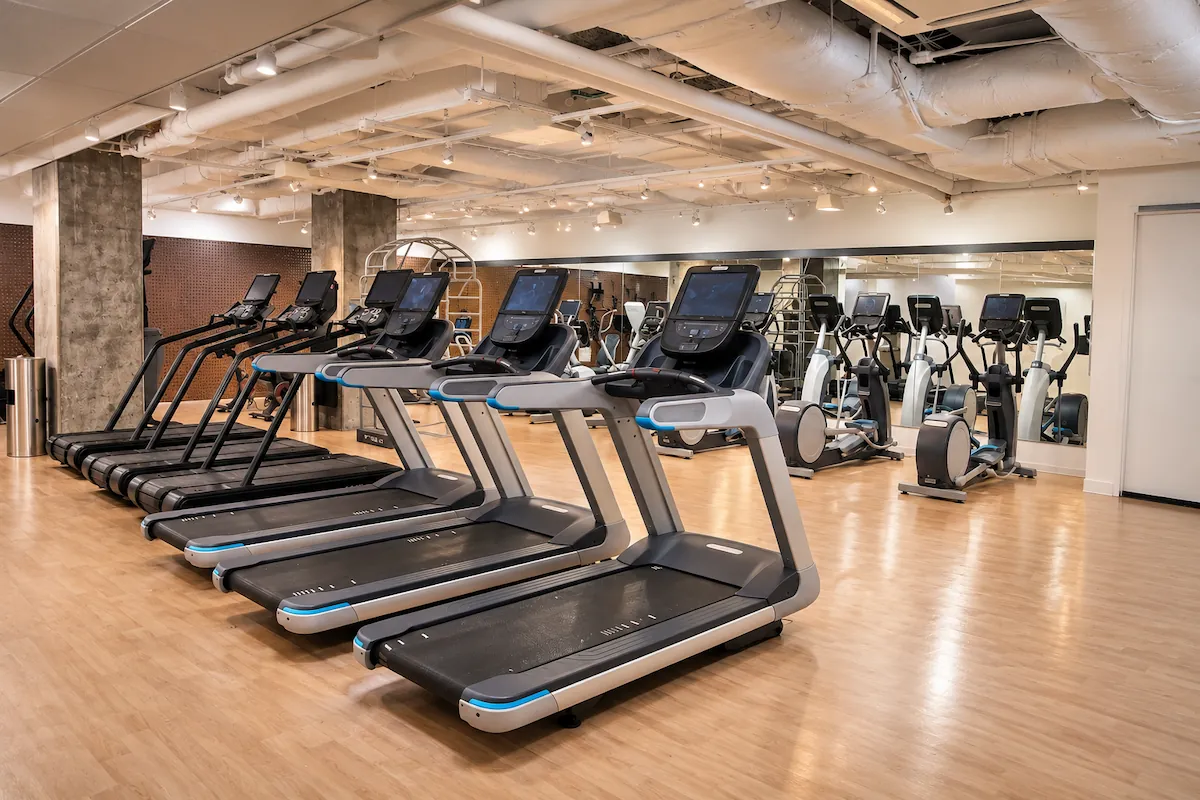
Gym floor with rows of treadmills and elliptical machines

Washington DC

Two clinics: Metro Center and West End.

Set PT studio with wall-mounted training equipment, an exercise ball and a mirrored wall

New York

Midtown, a short walk from Grand Central

Therapeutic taping FAQ

No. Kinesiology tape stretches and moves with your skin, so it supports without stopping movement. Athletic tape and Leukotape are rigid and limit how much a joint can move. We often use both, for different jobs.

No. Putting it on is painless. Taking it off can pull a little, so we’ll show you how to remove it gently, along the direction of hair growth with the skin held down.

Kinesiology tape usually stays on for a few days. Your therapist will tell you how long for your tape and your skin. Take it off sooner if your skin itches, burns or turns red.

Yes. Most kinesiology tapes are water resistant and made to stay on during activity. Pat it dry with a towel afterward rather than rubbing it.

We recommend Kinesio Tex Gold, or Kinesio Tex Gold Light Touch+ if your skin is sensitive, because it stays on better than most. You can find the tapes we use in our shop. As an Amazon Associate I earn from qualifying purchases.

Yes, once you know how. Part of every taping session is learning the right placement and stretch so you can do it between visits.

No. Tape supports the work, it doesn’t replace it. We pair it with exercise programs and manual therapy so you get stronger, not just supported.

Clothing that lets us reach the area being taped, such as shorts for a knee or a tank top for a shoulder. Skip lotion on that area the day of your visit so the tape sticks.

Tired of the same joint giving you trouble?

Support it now, strengthen it next. That’s how the same problem stops repeating.