
Pelvic Floor Physical Therapy
Every Body Has a Pelvic Floor
Leaking when you laugh. Pain with sex. A heavy, dragging feeling by the end of the day. Needing a bathroom every hour. These symptoms show up at every age and in every body, and most people never mention them to anyone.
Pelvic floor physical therapy treats them at the source: the muscles, nerves and connective tissue at the base of your pelvis. We offer it at our clinics in Atlanta, Washington DC and New York. Whatever brought you here, you belong here.
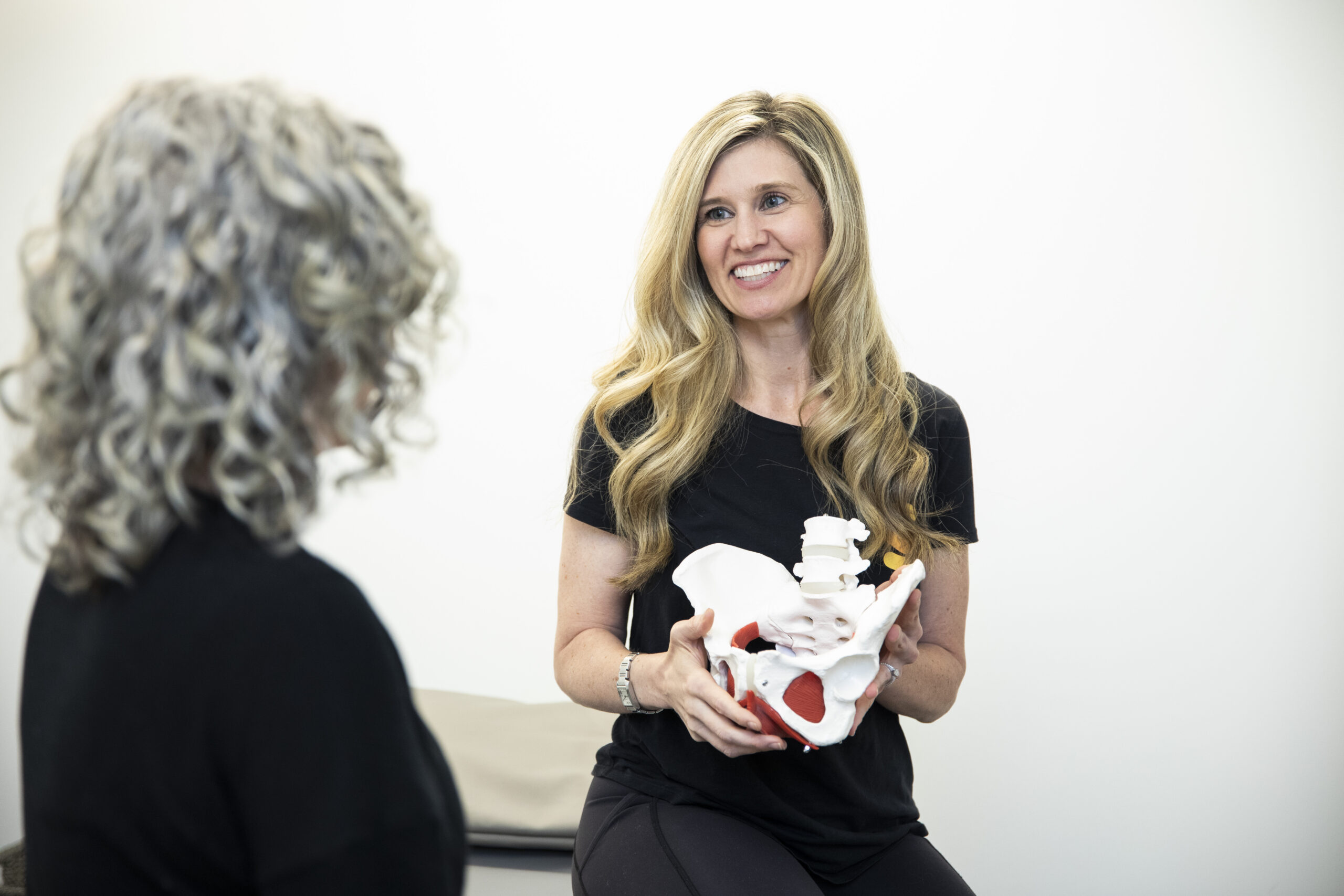
What Is Pelvic Health Physical Therapy?
It's not just for after childbirth
- During pregnancy, and in the months or years after a vaginal or C-section birth
- Through perimenopause and menopause, when hormone changes affect bladder and vaginal tissue
- Before and after prostate, gynecologic, colorectal or hernia surgery
- After cancer treatment, including radiation to the pelvis
- Runners, lifters and cyclists who leak or hurt under load
- Anyone with pelvic, genital, rectal or tailbone pain that hasn’t had a clear answer
Signs worth getting checked
- Leaking urine, stool or gas, even a little
- Going far more often than you used to, or waking at night to go
- Pain with sex, tampons or pelvic exams
- Heaviness, pressure or a bulge in the vagina or rectum
- Constipation or straining that diet changes haven’t fixed
- Pain in the pelvis, hips, low back or tailbone that keeps coming back
If any of these sound familiar, the next step is an evaluation. You’ll find the full list of conditions below.
Browse Your Specific Symptoms
Find your symptom, diagnosis or situation below, grouped by body system with separate tabs for women and men. If yours isn't listed, ask us. These are the most common reasons people come in, not the only ones.
Pre- and Postpartum Care
Postpartum Recovery
C-Section Care
Diastasis Recti (DRA)
Urinary Incontinence (Leakage)
Pelvic Organ Prolapse
Pelvic and Abdominal Pain
Vulvodynia
Vulvar Vestibulitis
Vaginismus
Chronic Pelvic Pain Syndrome (CPPS)
Groin Pain (Pubic, Adductor, Hip Flexor, Inguinal)
Abdominal Hernias
Perineal Pain
Pudendal Neuralgia or Nerve Irritation
Persistent Orthopedic Pain (Hip, Low Back, SI Joint)
Bladder Conditions
Urinary Urgency or Frequency
Interstitial Cystitis
Painful Urination
Difficulty Emptying the Bladder
Bowel Conditions
Bowel Urgency or Frequency
Fecal Incontinence or Seepage
Hemorrhoids and Anal Fissures
Incomplete Emptying
Symptoms Related to IBS or Ulcerative Colitis
Sexual Health
Vaginismus
Vulvodynia
Vulvar Vestibulitis
Anorgasmia or Pain With Orgasm
Persistent Genital Arousal Disorder (PGAD)
Pelvic Pain Related to Cycling or Exercise
Cancer and Post-Surgical Care
Endometriosis Surgery
Post-Abdominal Surgery
Post-Radiation Symptoms
Recovery from Hysterectomy, Oophorectomy, or C-Section
Pelvic and Abdominal Pain
Testicular or Scrotal Pain (Orchialgia)
Penile Pain
Perineal Pain
Pudendal Neuralgia or Nerve Irritation
Anal or Rectal Pain (Including Proctalgia Fugax)
Levator Ani Syndrome
Tailbone Pain (Coccydynia)
Groin Pain (Pubic, Adductor, Hip Flexor, Inguinal)
Abdominal Muscle Strains
Persistent Orthopedic Pain (Hip, Low Back, SI Joint)
Bladder Conditions
Urinary Urgency or Frequency
Difficulty Emptying the Bladder
Interstitial Cystitis
Lower Urinary Tract Symptoms
BPE/BPH Symptoms
Post-Void Dribble
Painful Urination
Bowel Conditions
Bowel Urgency or Frequency
Fecal Incontinence or Seepage
Hemorrhoids and Anal Fissures
Incomplete Emptying
Symptoms Related to IBS or Ulcerative Colitis
Sexual Health
Hard Flaccid Syndrome
Peyronie’s Disease
Premature Ejaculation
Pain With Ejaculation or Orgasm
Persistent Genital Arousal Disorder (PGAD)
SSRI Sexual Dysfunction
Cycling-Related Issues (Erectile Dysfunction, Genital Numbness)
Cancer and Post-Surgical Care
BPH Treatment Recovery (HoLEP, Rezum, GreenLight)
Pre- and Post-Cancer Care (Prostate, Colorectal, Testicular)
Hernia Repair
Post-Circumcision Pain
Post-Radiation Symptoms
Post-Vasectomy Pain
How We Treat Pelvic Floor Dysfunction
Three things drive every case. We treat all three.

Find The Cause
Most people come in knowing where it hurts, often with a diagnosis or two behind them. What we want to know is why it started and why it hasn't resolved. Sometimes the painful spot isn't the part that needs the work.

Settle Your System
When pain goes on for months, your nervous system starts reacting faster and harder than it needs to. It's a physical change, and it explains why pain can feel out of proportion to what's wrong. We treat it as part of the plan, not something you wait out.

Change What's Around
We'll ask about your sleep, what you eat, how much water you drink, and what's been stressful lately. These affect how fast you heal and how much pain you feel. Wherever there's something we can adjust, we'll work on it with you.

Trauma-Informed Care
Pelvic care can bring up a lot, especially if your body has been through something hard. You set the pace. We explain each step before we do it, check in as we go, and nothing happens without your okay. You can pause or stop at any time.
Treatment Methods We Use For Pelvic Health
Find Pelvic Health Care Near You
Pelvic floor physical therapy is available at all four Set PT clinics.


Washington DC
Two clinics: Metro Center in Columbia Square, and West End at 24th and M.
