
Pelvic Floor Physical Therapy in Atlanta
Pelvic Health Care in North Atlanta
Our clinic sits at the northern edge of Atlanta, just off I-75 at the Windy Hill exit. Most of our pelvic health patients come from Marietta and Smyrna. Others drive in from Buckhead, Midtown and West Midtown, or from Vinings just down the road.
Some come after having a baby or after surgery. Others have been dealing with something for years and finally decided to ask about it. Either way, the first step is the same: working out what your pelvic floor is actually doing.
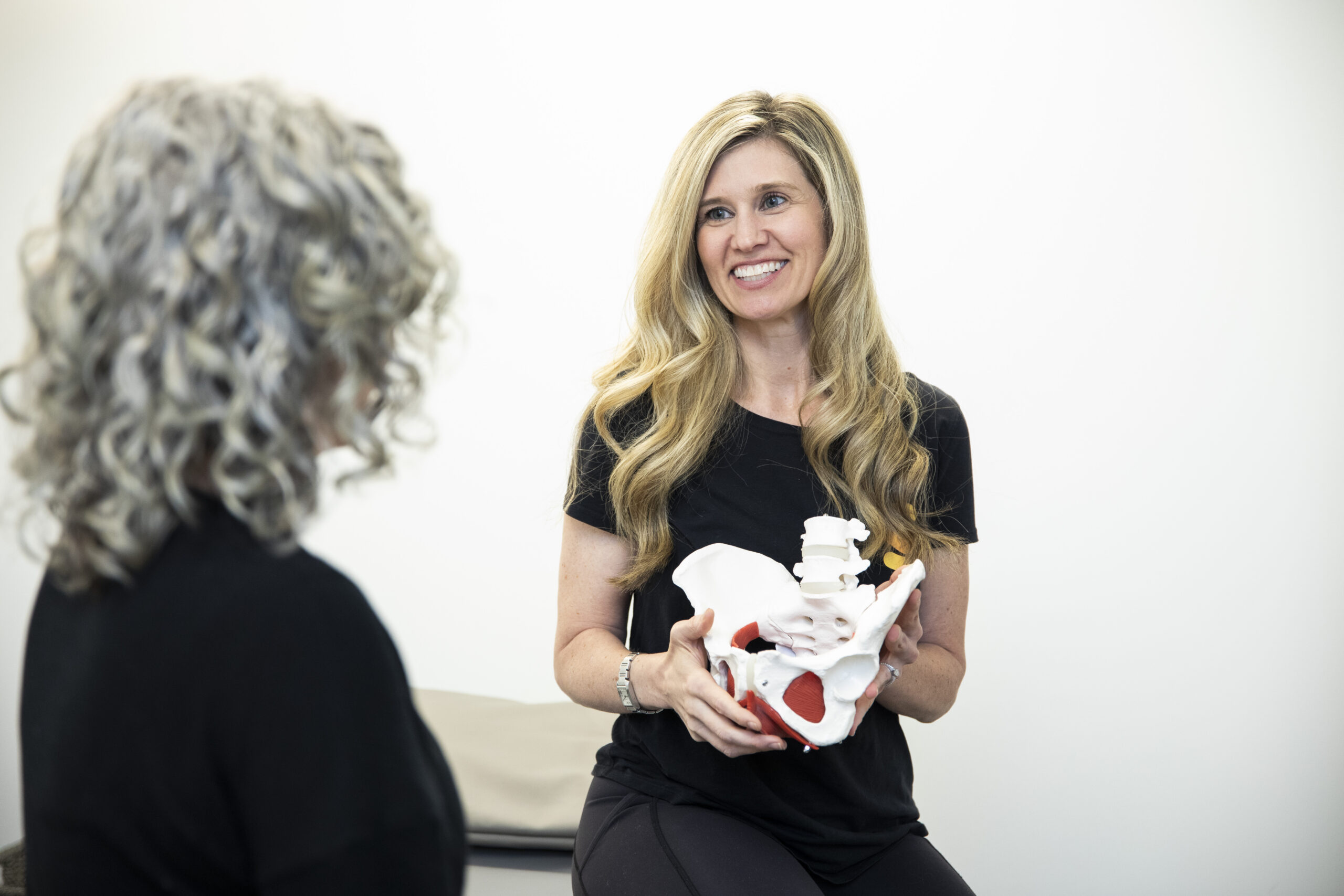
What Is Pelvic Health Physical Therapy?
Too tight or too weak: why the assessment comes first
Browse Your Specific Symptoms
Not sure if your issue fits? Use the sections below to find your specific symptoms, diagnoses, or situation, organized by anatomy and patient type.
Pre- and Postpartum Care
Postpartum Recovery
C-Section Care
Diastasis Recti (DRA)
Urinary Incontinence (Leakage)
Pelvic Organ Prolapse
Pelvic and Abdominal Pain
Vulvodynia
Vulvar Vestibulitis
Vaginismus
Chronic Pelvic Pain Syndrome (CPPS)
Groin Pain (Pubic, Adductor, Hip Flexor, Inguinal)
Abdominal Hernias
Perineal Pain
Pudendal Neuralgia or Nerve Irritation
Persistent Orthopedic Pain (Hip, Low Back, SI Joint)
Bladder Conditions
Urinary Urgency or Frequency
Interstitial Cystitis
Painful Urination
Difficulty Emptying the Bladder
Bowel Conditions
Bowel Urgency or Frequency
Fecal Incontinence or Seepage
Hemorrhoids and Anal Fissures
Incomplete Emptying
Symptoms Related to IBS or Ulcerative Colitis
Sexual Health
Vaginismus
Vulvodynia
Vulvar Vestibulitis
Anorgasmia or Pain With Orgasm
Persistent Genital Arousal Disorder (PGAD)
Pelvic Pain Related to Cycling or Exercise
Cancer and Post-Surgical Care
Endometriosis Surgery
Post-Abdominal Surgery
Post-Radiation Symptoms
Recovery from Hysterectomy, Oophorectomy, or C-Section
Pelvic and Abdominal Pain
Testicular or Scrotal Pain (Orchialgia)
Penile Pain
Perineal Pain
Pudendal Neuralgia or Nerve Irritation
Anal or Rectal Pain (Including Proctalgia Fugax)
Levator Ani Syndrome
Tailbone Pain (Coccydynia)
Groin Pain (Pubic, Adductor, Hip Flexor, Inguinal)
Abdominal Muscle Strains
Persistent Orthopedic Pain (Hip, Low Back, SI Joint)
Bladder Conditions
Urinary Urgency or Frequency
Difficulty Emptying the Bladder
Interstitial Cystitis
Lower Urinary Tract Symptoms
BPE/BPH Symptoms
Post-Void Dribble
Painful Urination
Bowel Conditions
Bowel Urgency or Frequency
Fecal Incontinence or Seepage
Hemorrhoids and Anal Fissures
Incomplete Emptying
Symptoms Related to IBS or Ulcerative Colitis
Sexual Health
Hard Flaccid Syndrome
Peyronie’s Disease
Premature Ejaculation
Pain With Ejaculation or Orgasm
Persistent Genital Arousal Disorder (PGAD)
SSRI Sexual Dysfunction
Cycling-Related Issues (Erectile Dysfunction, Genital Numbness)
Cancer and Post-Surgical Care
BPH Treatment Recovery (HoLEP, Rezum, GreenLight)
Pre- and Post-Cancer Care (Prostate, Colorectal, Testicular)
Hernia Repair
Post-Circumcision Pain
Post-Radiation Symptoms
Post-Vasectomy Pain
How We Treat Pelvic Floor Dysfunction
Three things drive every case. We treat all three.

Find The Cause
Most people come in knowing where it hurts, often with a diagnosis or two behind them. What we want to know is why it started and why it hasn't resolved. Sometimes the painful spot isn't the part that needs the work.

Settle Your System
When pain goes on for months, your nervous system starts reacting faster and harder than it needs to. It's a physical change, and it explains why pain can feel out of proportion to what's wrong. We treat it as part of the plan, not something you wait out.

Change What's Around
We'll ask about your sleep, what you eat, how much water you drink, and what's been stressful lately. These affect how fast you heal and how much pain you feel. Wherever there's something we can adjust, we'll work on it with you.

Trauma-Informed Care
Pelvic care can bring up a lot, especially if your body has been through something hard. You set the pace. We explain each step before we do it, check in as we go, and nothing happens without your okay. You can pause or stop at any time.
Treatment Methods We Use For Pelvic Health
Frequently Asked Questions
How do I know if I need pelvic floor physical therapy?
What happens at my first pelvic floor physical therapy appointment?
Does pelvic floor PT involve an internal exam, and do I have to have one?
Will pelvic floor physical therapy be painful?
I feel embarrassed about this. How is my privacy handled?
Do men need pelvic health physical therapy?
Aren't Kegels enough on their own?
Can pelvic floor PT help me avoid surgery for prolapse or incontinence?
How long until I see results, and how many sessions will I need?
What Our Atlanta Patients Say
Your Therapist

Robin Ellis
PT, DPT, OCS
Robin looks beyond muscles and joints to your nervous system, whole-body health and the mind-body connection.