
Specialties
Treatment Methods
There aren't many pelvic health physical therapists who work with men. Being a resource for those patients is one of the best parts of my job.
My mom introduced me to physical therapy, and it brought together two things I was curious about: human movement and medicine. I started my career in Philadelphia as a generalist, treating orthopedic, vestibular and neurologic patients, which gave me a strong orthopedic foundation.
When I moved into pelvic health, many of my first patients were men recovering from pelvic cancers. Today my caseload is much more varied, and I especially enjoy where pelvic health and orthopedics overlap. Every patient has shaped how I practice, and I try to learn something from each one.
“Listening to your own view of the problem, every single time, is what leads us down the right path.”
Who I work with
I treat every part of men’s pelvic health, from pain to bladder and bowel problems to sexual dysfunction, along with orthopedic injuries in everyone from recreational to Division I athletes. There is no cookie-cutter recipe for pelvic problems, so I work best with people who want to understand their bodies and are open to talking things through and trying different approaches with me.
Pelvic Health
Pain, bladder, bowel and sexual health for men
Orthopedic PT
Sports and everyday injuries, from weekend players to Division I
Chronic Pain
Pelvic and hip pain with more than one cause
When other treatment hasn't worked
Pelvic health problems almost always have more than one cause. Finding the root one often means sifting through a lot of extra noise, and I enjoy working through that process alongside my patients. It starts with listening closely to how you see your own problem.
I use real-time ultrasound imaging so you can see your pelvic floor muscles working as you train them. It gives the most accurate feedback available and has many uses in men’s pelvic health. I am also trained in trigger point dry needling.
Before your first visit
By the end of our first hour together, I want you to feel understood, calm and listened to.
Recovery is a process, and it takes consistency. The patients who improve fastest invest in their bodies between sessions, stay curious, and are willing to question what they believe about their own bodies. The more open you are to the process and the more consistent you are with the goals we set together, the better your results will be.
Patients tell me they like my curiosity: I am always asking what is behind their symptoms. I also like getting to know the whole person, from family to work to hobbies, because I want to be a resource you can come back to for years.
Outside the clinic
I grew up in the Philadelphia area and now live in Virginia with my wife and our golden retriever. I love cooking, traveling, trying new foods and learning new things. I read across every genre, so I am always happy to take a book recommendation. And the fact that surprises patients most: I am a triplet.


Training and experience
Education
Doctor of Physical Therapy, Temple University, 2016 (accelerated program with a B.S. in Kinesiology*)
Board certification
Orthopaedic Clinical Specialist (OCS), 2022*
Specialized Training
Men's pelvic health physical therapy · Trigger point dry needling
Presentations
MedStar Urology Continuing Medical Education · National Lymphedema Network conference · Cancer Rehabilitation Conference · Prostate cancer support groups · Talks for physical therapists on screening for pelvic floor conditions
Research
Developing a men's health screening project for generalist physical therapists
Teaching
Faculty roles in several Doctor of Physical Therapy programs · Clinical mentor to physical therapy students · Helped develop courses that train pelvic health therapists*
Career
Generalist outpatient practice, Philadelphia · Set PT, Washington DC, since 2024 · Director of Clinical Excellence
What His Patients Say
Meet The Team

Robin Ellis
PT, DPT
Imani brings curiosity to every case and builds a plan that’s realistic enough to fit your life.
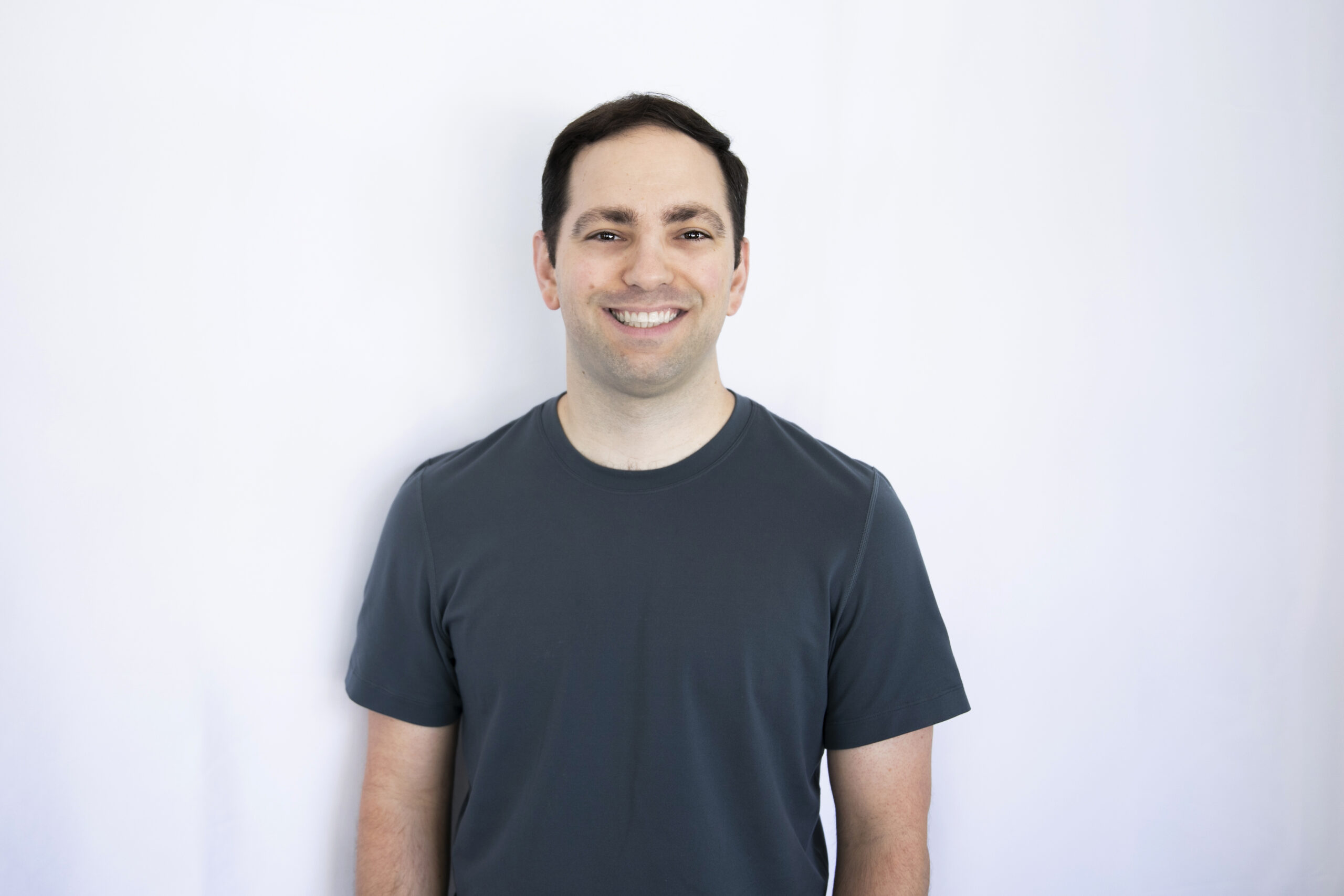
Matthew Johnston
PT, DPT
Matthew starts with your own account of the problem, because the patient’s perspective is what points him to the right answer.